
.jpg)
As part of a global expedition mapping plastic pollution back to its source, our Chief Innovation Officer, Karlijn Sibbel, will be joining an all-women crew sailing the South Pacific this June.
In our first blog, we explored why this mission matters, and how the conversation around plastic is shifting beyond visible pollution and towards the materials, systems and long-term impacts behind it. From waste management to material design. From downstream clean-up to upstream prevention.
Here, Karlijn shares what drew her to the expedition, what she’ll be doing on board, and what it means for the future of materials and packaging.
eXXpedition is a series of all-women sailing expeditions focused on tackling the ocean plastic crisis. Founded by ocean advocate Emily Penn, they take crews out to sea to contribute to groundbreaking scientific research, truly connect with the plastic problem and find their role in tackling it.
What makes this mission particularly powerful is its focus on source mapping. Rather than just measuring the presence of plastic in the ocean, the goal is to understand how plastic moves from land into the ocean and travels all around the world.
That’s a critical shift. Because if we can connect pollution back to specific materials, products and systems, it becomes much clearer how to best tackle the problem and design meaningful solutions.
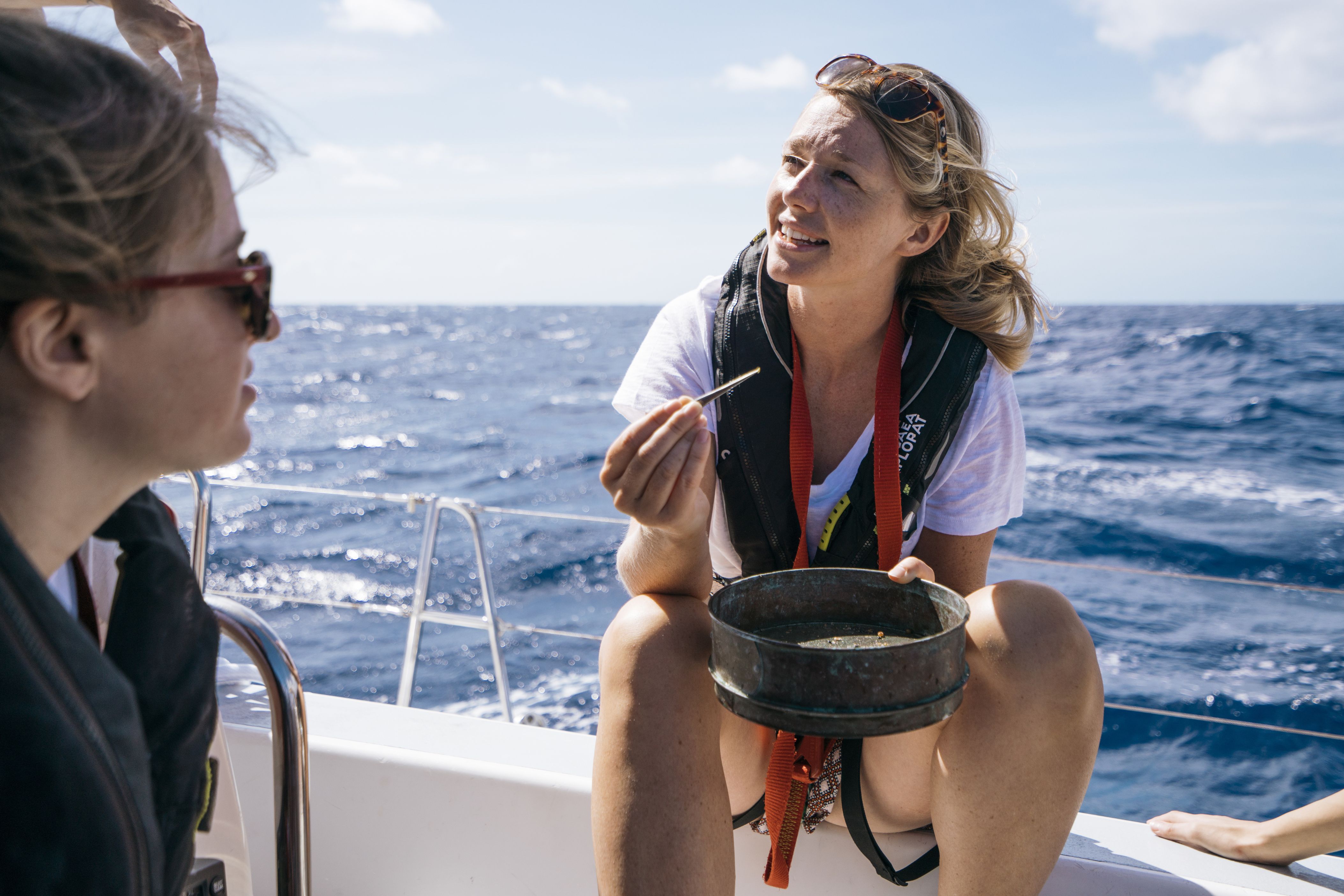
We’ll be collecting, counting and analysing microplastic samples from the surface of the ocean and using advanced onboard equipment to identify polymer types.
Each material has a chemical fingerprint, so with these tools we can start to link what we find in the ocean back to its original source.
Alongside that, there’s a broader piece of work connecting those findings with what’s happening on land - looking at litter, waste management systems and commonly used products.
It’s about collecting different pieces of the puzzle to build a more complete picture of how plastic moves locally and through the world.
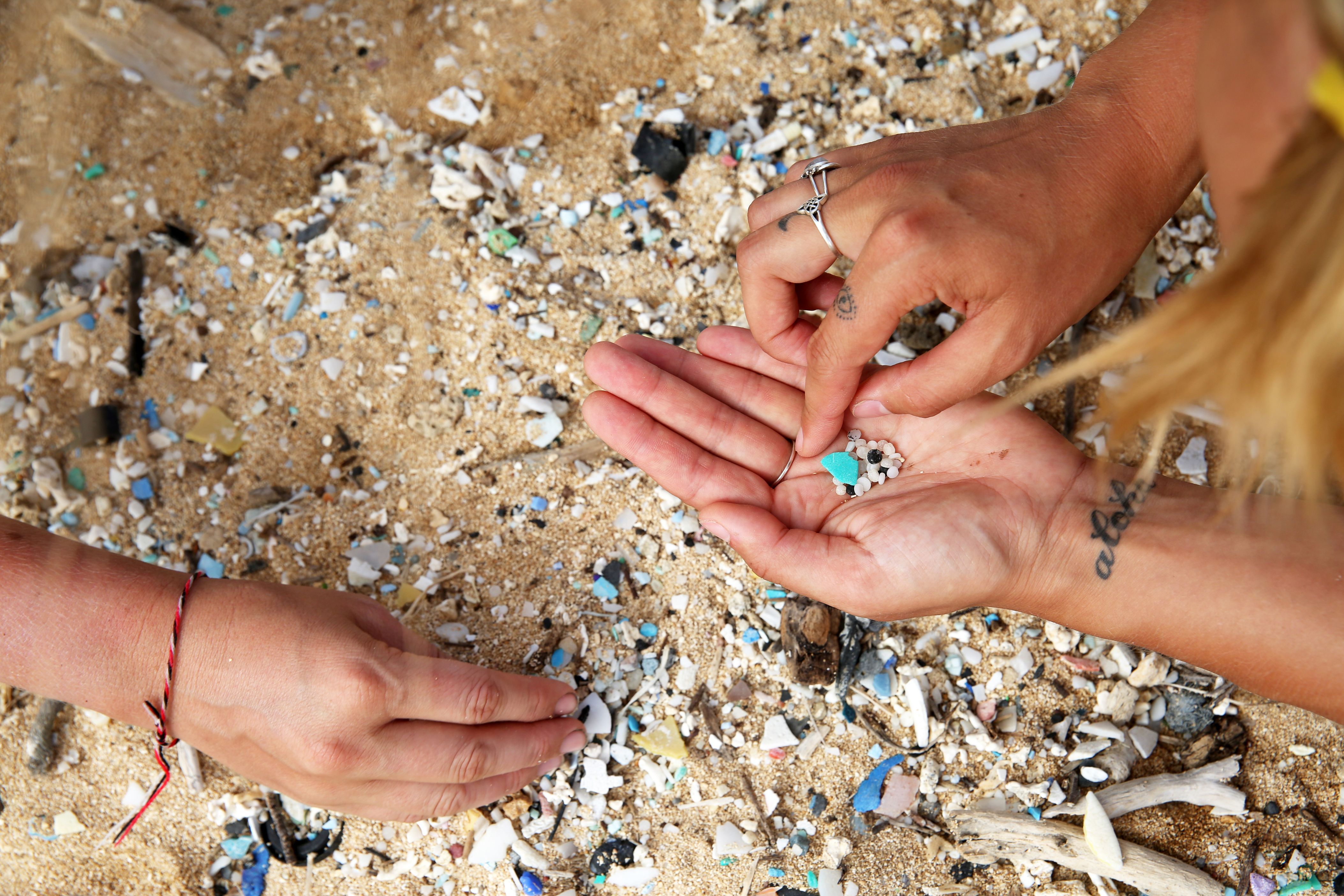
We know that single-use plastic packaging, especially for food and beverages, are a big contributor to ocean plastic pollution.
When plastic reaches the ocean and breaks down into microplastics through the waves and the sun, they get so widespread and inherently infiltrated in marine ecosystems that it becomes impossible to clean up. If a material is designed to persist, it will persist. Unfortunately, we will not be able to clean up the trillions of plastic particles already in our oceans, but what we can do is look upstream and avoid more plastic getting in there.
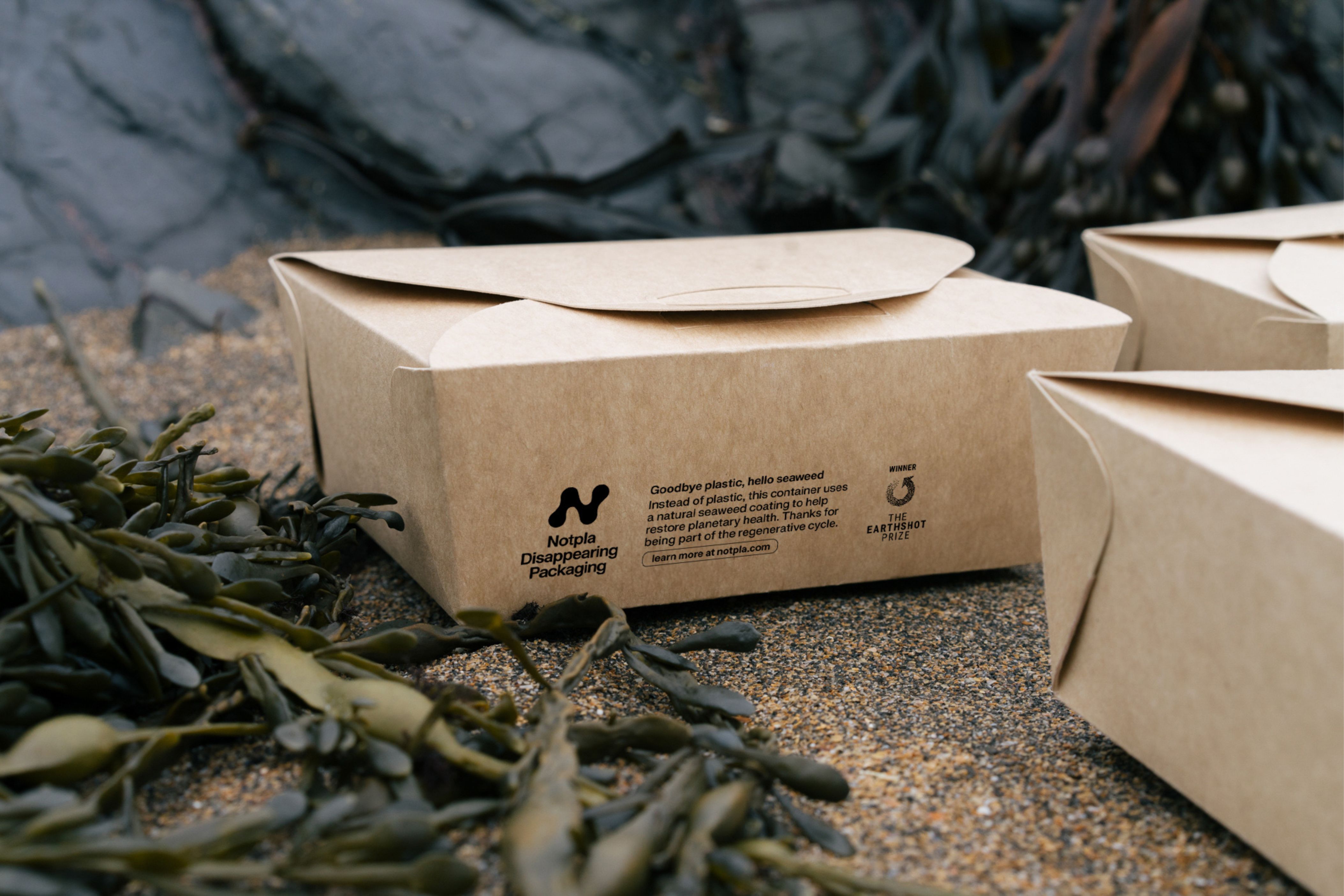
This is exactly what Notpla’s mission is about, making alternatives to single-use plastic packaging from seaweed and plants. Using natural materials, exactly as they abundantly occur in nature, so that they can disappear without a harmful trace. Opposed to plastic that is designed to last, we design materials to disappear - like a fruit peel.
During the expedition we will also be looking at what packaging products and waste management systems are used in communities. All of these angles to the research, pollution, litter on land and products used, will give us a holistic picture that will help pinpoint how we can map different solutions. As part of the expedition, we'll be testing Notpla products on board with the crew - exploring how natural, plastic-free packaging holds up in the conditions of a Pacific island sailing expedition and in a place as far-flung as Tonga.
The problem is so widespread and complex that we need as many people from diverse backgrounds to address this problem. It’s why I’m so excited to join this crew. Not only to understand the problem but to be able to action on it. What we find might be directly informing the next material innovation we will be working on at Notpla.
The science is still developing, but the direction is clear. We’re moving from a conversation about visible pollution to one about invisible impact.
Microplastics are being found in more and more places, in ecosystems like the arctic, in food systems, and increasingly in the human body. The conversation and our understanding is increasingly developing to not only highlight the devastating impact on marine life, but how it is further impacting climate change and our health.
That changes expectations. Plastics have these trickle down disruptive consequences that are complex and therefore are only now starting to come more to light. Especially as plastics are carriers of toxic chemicals that leach into our bodies interfering with hormonal health and therefore things like our fertility.
This is quite scary, especially the things we don’t understand fully yet, the hard to measure and systematic impacts. Science needs to evolve quickly to uncover this and in parallel we need to develop and adopt solutions urgently from all angles.
It’s what excited me about this expedition, is the focus on how we can directly link the findings to solutions.
Truly trying to grasp the size of it all and how variable the sources are.
Every day, the equivalent of 2000 garbage trucks filled with plastic are dumped into the world’s oceans, rivers, and lakes. That plastic pollution isn’t coming from one single industry or geography - it’s highly localised and context-specific. I’m looking forward to starting to map the trends in the Pacific Islands and how they might link globally.
That means solutions also need to be more nuanced. There isn’t going to be one material or one system that fixes everything.
That the bar is moving.
Recyclability alone is no longer enough. Businesses need to think more holistically about the materials they’re using, how they’re made, how they behave, and what happens to them over time.
The companies that start making those shifts now will be better positioned as expectations, regulation and science continue to evolve.
Being part of an inspiring group of women that brings together different voices and perspectives, different cultures, ages and different backgrounds; science, policy, industry, design, art.
Those intersections are where the most interesting and impactful ideas come from.
I think that this is going to bring some new fuel and ideas to tackle this crisis back home.
Besides the exposure to new people and cultures, I'm really looking forward to being in such a remote place - so close to the ocean, and face to face with the plastic problem. It's going to be an experience I'll never forget, and I hope the stories I bring back will inspire change far beyond myself.
Karlijn will be sharing insights from the expedition as the journey unfolds, from what’s being discovered at sea to what it means for how we design and use materials on land.
Because understanding the problem more deeply is only part of the equation.
What matters is what we do with that knowledge next.
 The Power of the Journey: Lessons from eXXpedition's South Pacific missions
.jpg) Bespoke packaging at Notpla: Meet the team behind our food packaging design process
Bespoke packaging at Notpla: Meet the team behind our food packaging design process.jpg) The end of plastic versus paper: Why natural materials belong in modern manufacturing
The end of plastic versus paper: Why natural materials belong in modern manufacturing