
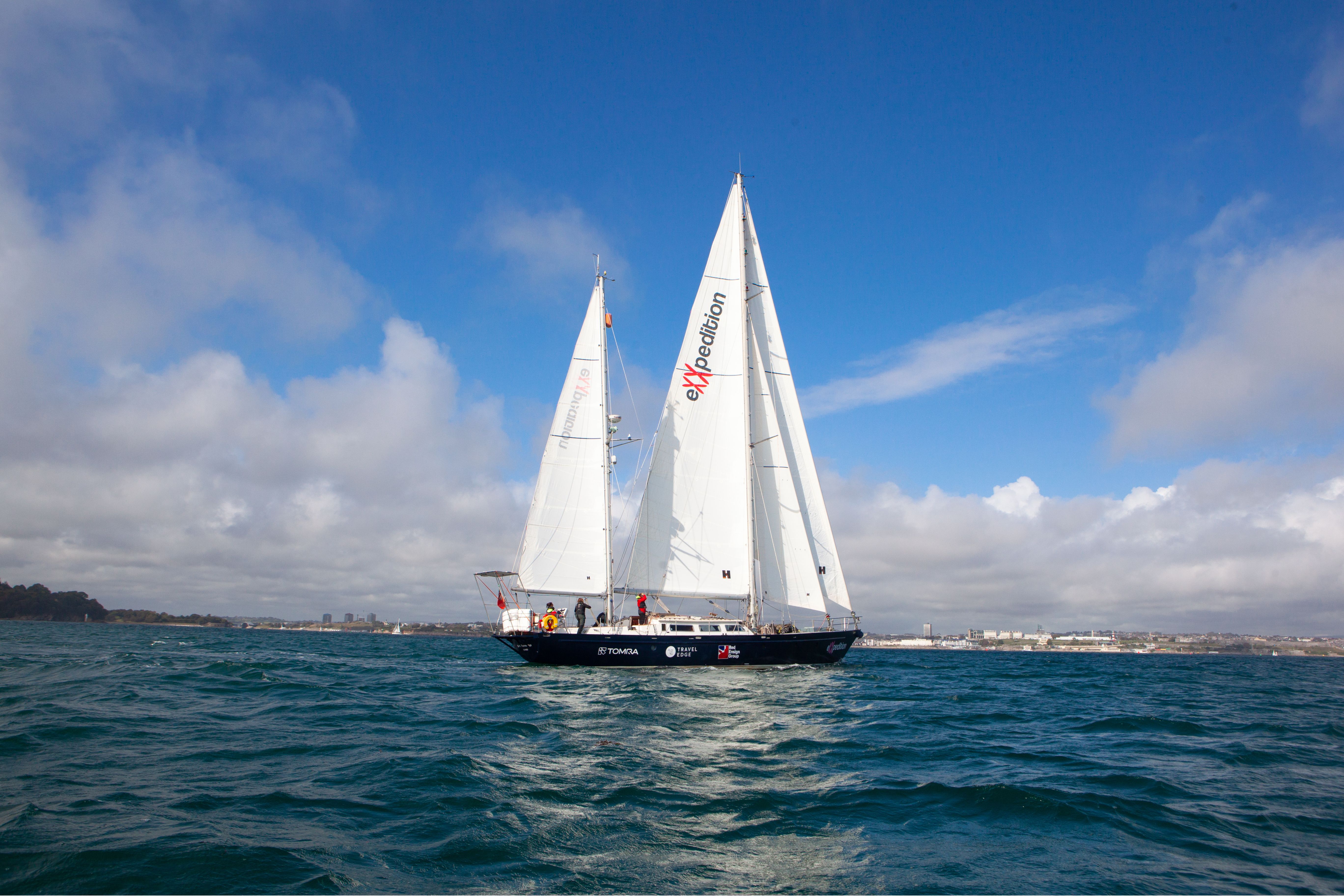
On 2nd June, our Chief Innovation Officer, Karlijn Sibbel, will join the third stage of an international all-female crew sailing the South Pacific.
Not as observers. But as part of a global effort to better understand, and ultimately solve, one of the defining material challenges of our time: plastic.
Led by environmental organisation eXXpedition and renowned ocean advocate Emily Penn, the voyage forms part of a world-first global study mapping plastic pollution in the ocean back to its sources on land.
Despite decades of focus, critical gaps remain in our understanding, largely because ocean research is inherently challenging and the problem is vast in scale.
We know plastic is everywhere, from polluting the entire ocean to even our bodies.
We know it’s accumulating at pace.
And we know it doesn’t disappear.
But the critical question remains:
How do we stop it at the source, at a scale that matches the problem?
.jpg)
For years, the focus has been downstream.
Waste. Recycling. Clean-up.
But that framing is starting to break. We simply can’t keep up with the rate of pollution.
Less than 9% of plastic is ever recycled, while production continues to accelerate. An estimated 171 trillion plastic particles are now in our oceans, a number that continues to rise.
At the same time, global policy has stalled, with no binding limits on plastic production or toxic additives. And increasingly, the conversation is moving somewhere more complex, and more uncomfortable.
Beyond what we can see… to what we can’t.
Microplastics and even nanoplastics.
Tiny fragments that persist in oceans, ecosystems, and the natural systems that support human life. This is changing how we define “good” packaging.
And what acceptable materials actually look like.
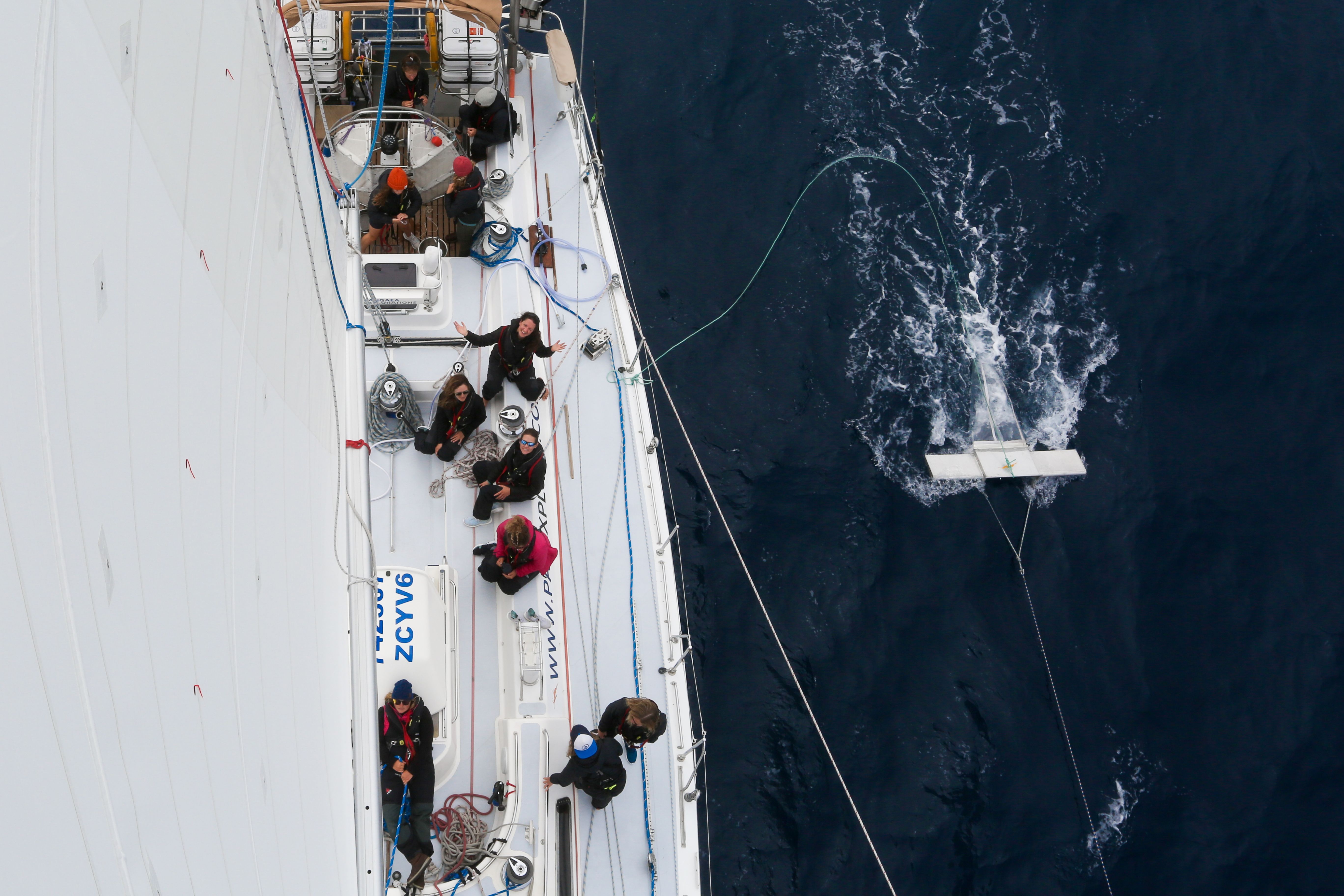
What makes this expedition different is its focus on traceability.
Using advanced onboard analysis, the crew will identify the chemical fingerprints of microplastics and link them back to their original source materials.
Not just what is in the ocean. But where it came from.
Combined with on-land investigations into waste systems, consumer products and infrastructure, the mission will build a global map of how plastic moves from land into the ocean, and will pinpoint where intervention is most needed.
Because once you can see the problem clearly, there's no design around it. Only through it.
You have to design differently.
The plastic problem is really a materials mismatch, the wrong material in the wrong system. Solving it means rethinking what things are made of, what they’re made for, and what happens when they’re done. This is how we’ve always approached it at Notpla.
It starts with design.
Most materials used in packaging today were never created with their full lifecycle in mind.
They were optimised for outperformance, cost and scale, not breakdown or long-term impact.
The result is a system that doesn’t just create waste.
It creates lasting material consequences.
Microplastics are a symptom of that.
This is why our approach has always been different:
Start with abundant natural materials.
Avoid toxic additives and polymers that nature can’t digest
Design for disappearance, not persistence.
Not as a feature.
But as a baseline.

Karlijn’s participation is about more than insight.
It’s about connection.
Connecting emerging science with real-world material design.
Connecting Ocean data with industrial decision-making.
Connecting what we now know… with what we choose to do next.
Because solving plastic pollution isn’t just about managing waste more effectively.
It’s about changing what we make in the first place.
This expedition spans multiple regions, from the South Pacific to the Arctic, bringing together a diverse, all-women crew of scientists, engineers, designers and industry leaders.
It reflects a simple truth:
No single discipline, company or solution will fix this alone.
Karlijn will be sharing insights from the journey as it unfolds.
Not just what’s found.
But what it means.
Because the future of packaging won’t be defined by how we deal with plastic.
It will be defined by what solutions we replace it with.
.jpg) Bespoke packaging at Notpla: Meet the team behind our food packaging design process
Bespoke packaging at Notpla: Meet the team behind our food packaging design process.jpg) The end of plastic versus paper: Why natural materials belong in modern manufacturing
The end of plastic versus paper: Why natural materials belong in modern manufacturing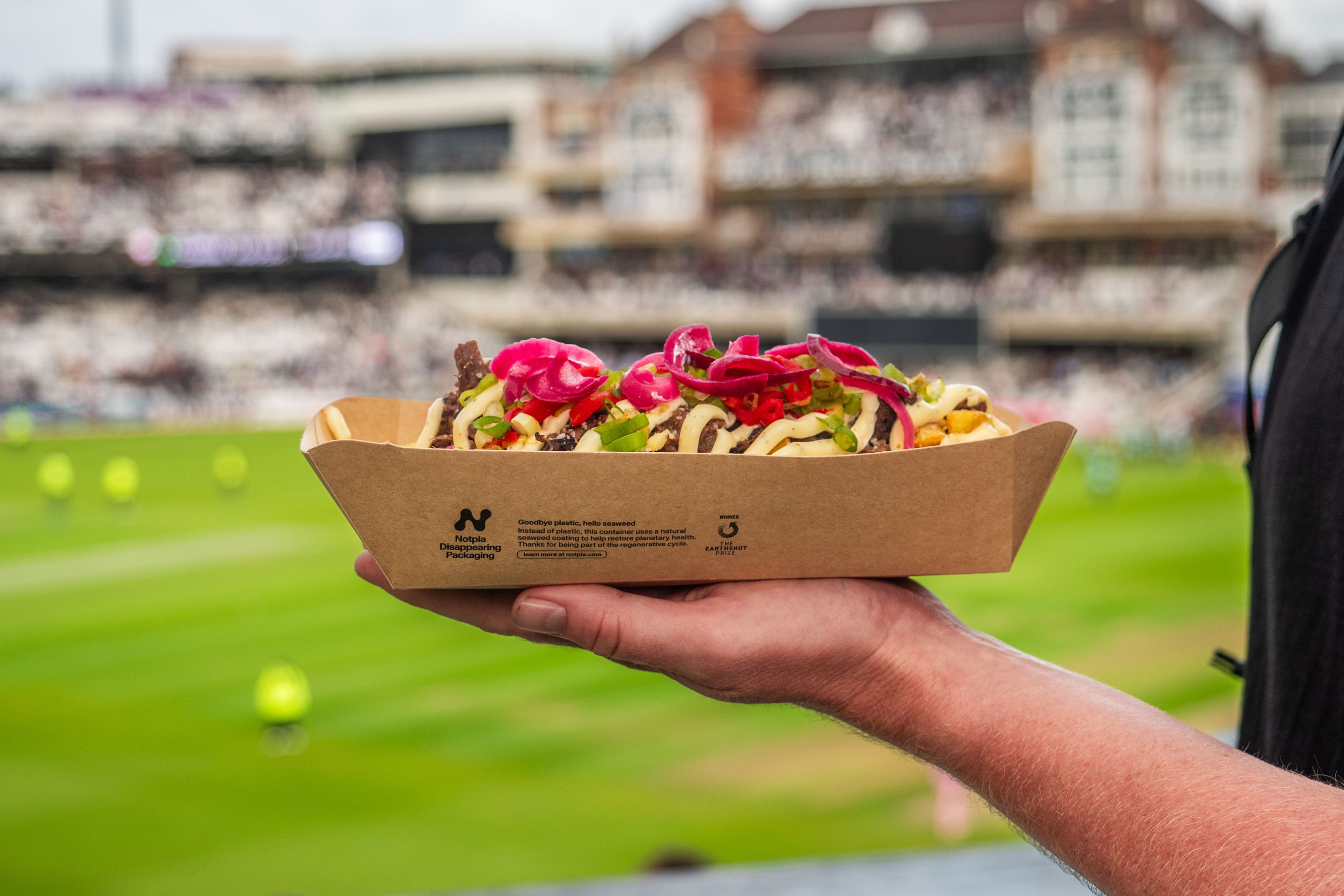 Notpla Stadium Range: building sustainable packaging into the big-game experience, at scale with Levy.