
.jpg)
Every July, Plastic-Free July encourages millions of people to rethink their reliance on single-use plastic.
It's a conversation that's helped change habits around the world. Reusable coffee cups, refillable water bottles and refusing unnecessary plastic have all become familiar parts of the month.
For foodservice businesses, that conversation has evolved.
Today, it's not just about reducing plastic. It's about recognising that there are now more material options than ever before.
The future of food packaging isn't defined by one material replacing another. It's about choosing the right material for the right application.
For decades, plastic became the material of choice across food packaging.
It was lightweight, versatile and scalable. It solved challenges for businesses around the world and continues to play an important role in many industries today.
But food packaging is changing.
Driven by material innovation, changing legislation and growing customer expectations, businesses are beginning to explore new materials designed specifically for short-lived food packaging.
That's where the opportunity lies.
Not in replacing every use of plastic overnight, but in recognising where different materials can offer a better fit.
.jpg)
Think about the last takeaway lunch you bought.
Maybe it was a sandwich on your commute, a salad between meetings or a scoop of ice cream on a sunny afternoon.
You probably thought about the food. You might even have noticed the branding.
But did you think about what the packaging was made from?
For years, most of us didn't, there wasn't much reason to.
Today, that question is becoming increasingly important.
Not because consumers are expected to become material scientists, but because businesses now have more material choices available than ever before.
Sometimes the biggest innovation isn't changing what people eat, it's changing what the packaging is made from.
.jpg)
One of the biggest misconceptions around Plastic-Free July is that progress only happens through dramatic change.
In reality, it often starts much smaller.
An ice cream parlour choosing a spoon made from seaweed instead of plastic.
A grab-and-go retailer replacing a conventional plastic window with a seaweed-based alternative that lets customers see their food just as clearly.
A stadium or workplace restaurant switching to seaweed-coated food containers without changing the way they serve thousands of meals each day.
The experience doesn't change, the menu doesn't change and the convenience doesn't change.
But the material does.
Sometimes, that's enough to make a meaningful difference.
.jpg)
When Notpla began working with seaweed over a decade ago, the ambition wasn't simply to create another packaging product.
It was to explore whether nature could inspire entirely different materials.
Today, those materials are being used across everything from food-to-go packaging and plastic-free windows to award-winning seaweed spoons and edible Ooho capsules.
More importantly, they're no longer confined to research and development.
They're being used by stadiums, retailers, universities and foodservice operators looking for practical alternatives that fit seamlessly into existing operations.
That's what material innovation should do. It shouldn't stay in the lab.
It should solve real-world challenges for real businesses.
.jpg)
Plastic-Free July has encouraged millions of people to think differently about single-use plastic.
For us, it's also a reminder to keep asking better questions.
One question sits at the centre of everything we do: What is it made from?
It's a simple question, but one that's becoming increasingly relevant as new materials continue to emerge.
For businesses, it's an opportunity to explore packaging that balances performance, customer experience and material innovation.
For the wider industry, it's a reminder that the future of food packaging won't be shaped by one material alone.
It will be shaped by giving businesses the confidence to choose the right material for the right job.
Plastic-Free July is an important moment to reflect on those decisions.
But the conversation shouldn't end when the calendar turns to August.
The future of food packaging is being shaped today, this July and every month after.
Whether you're looking at food containers, plastic-free windows, barrier coatings, seaweed spoons or entirely new packaging formats, discover how material innovation is helping businesses rethink what's possible.
.jpg) The end of plastic versus paper: Why natural materials belong in modern manufacturing
The end of plastic versus paper: Why natural materials belong in modern manufacturing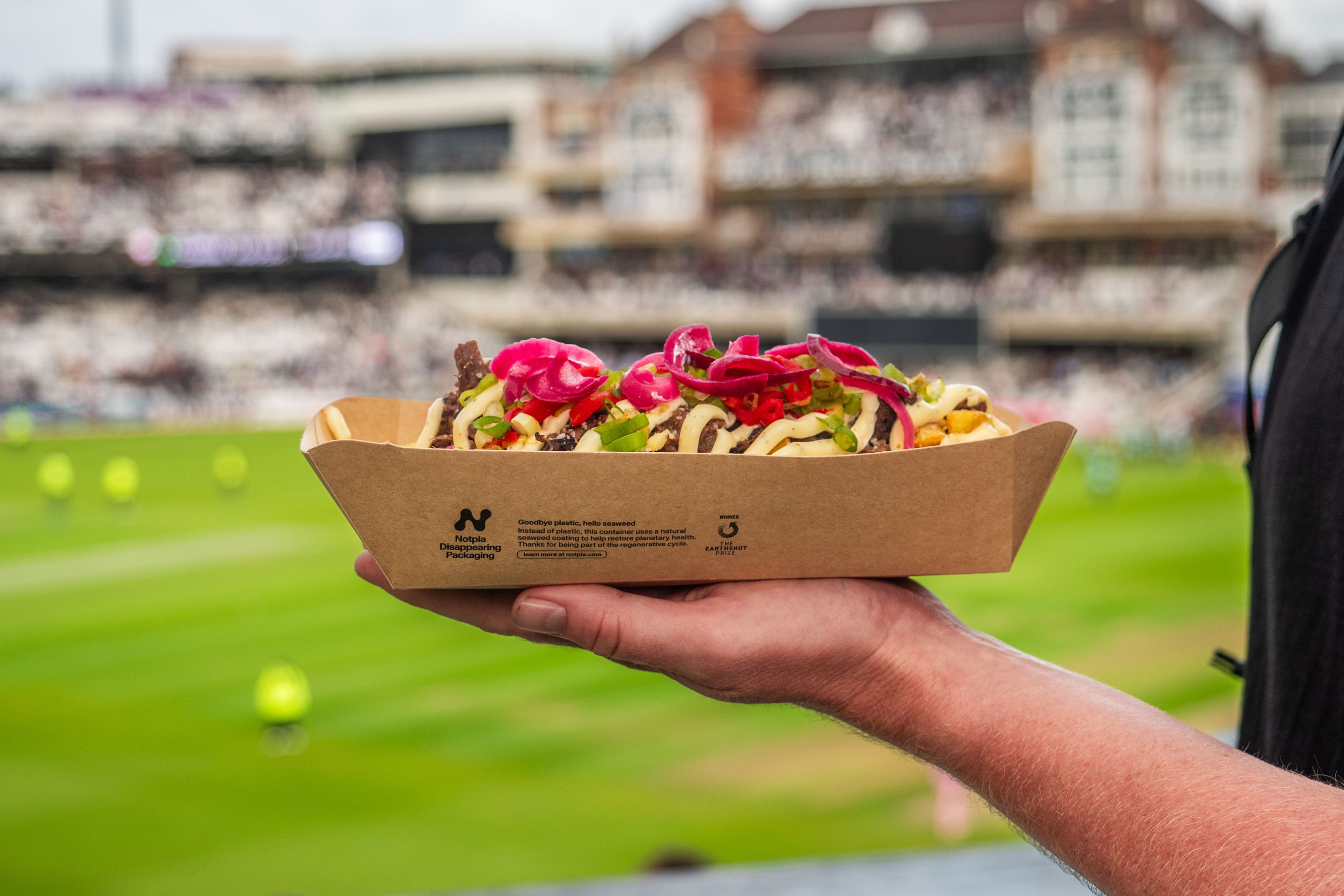 Notpla Stadium Range: building sustainable packaging into the big-game experience, at scale with Levy.
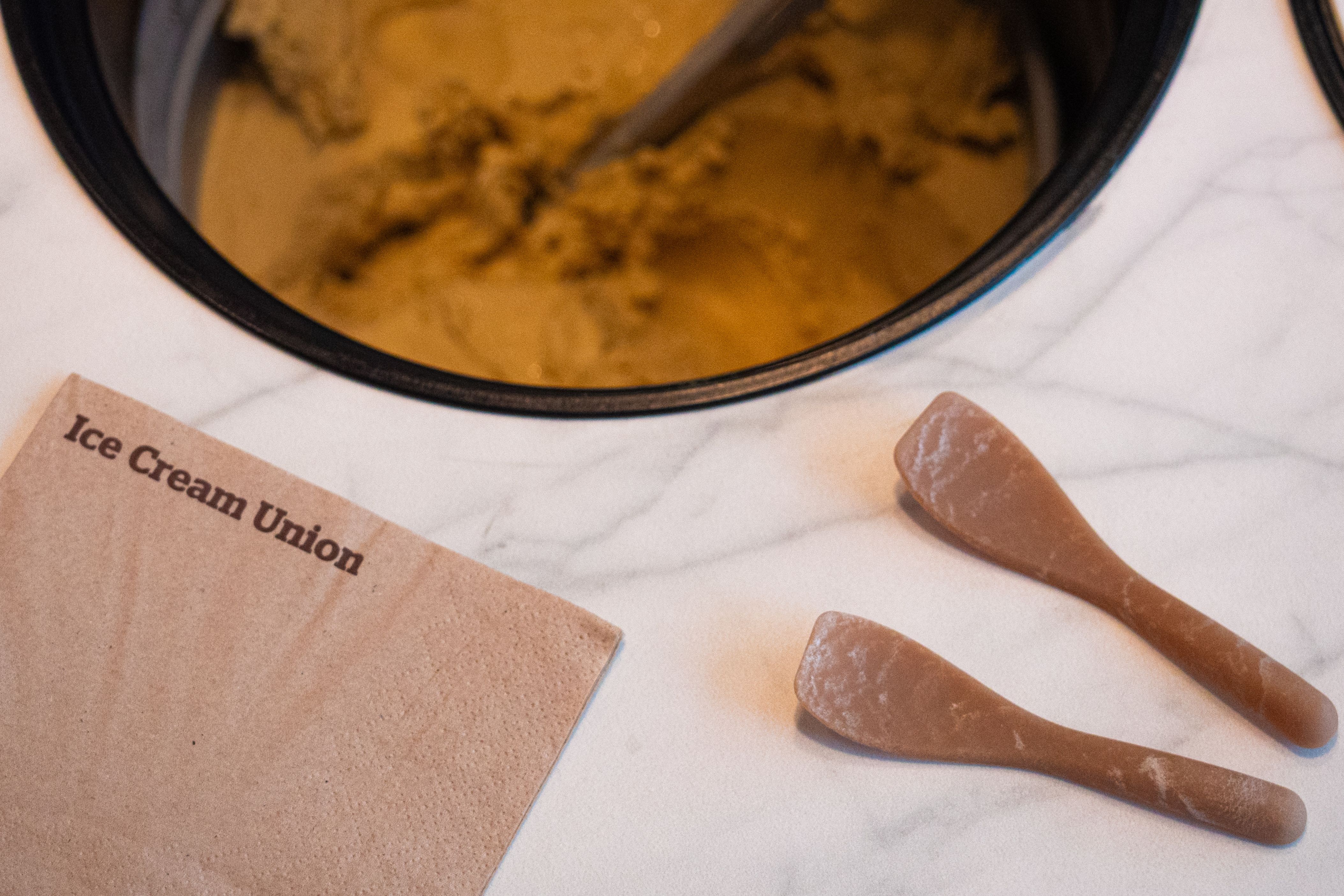 Why premium ice cream brands are switching to plastic-free spoons: Lessons from Ice Cream Union