
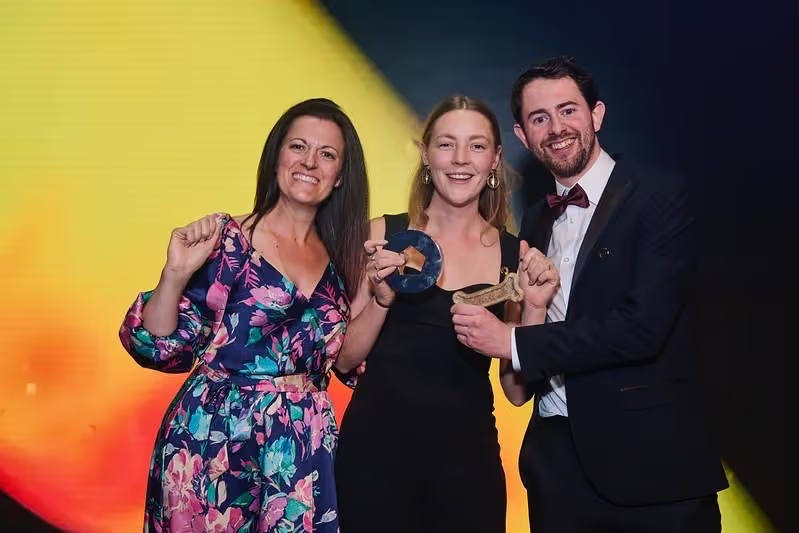
We’re proud to share that Notpla and Plastek UK have won Silver for Supplier Innovation of the Year at the 2025 Pentawards, celebrating the successful launch of Kelpy Bone, the world’s first seaweed-based dog toy.
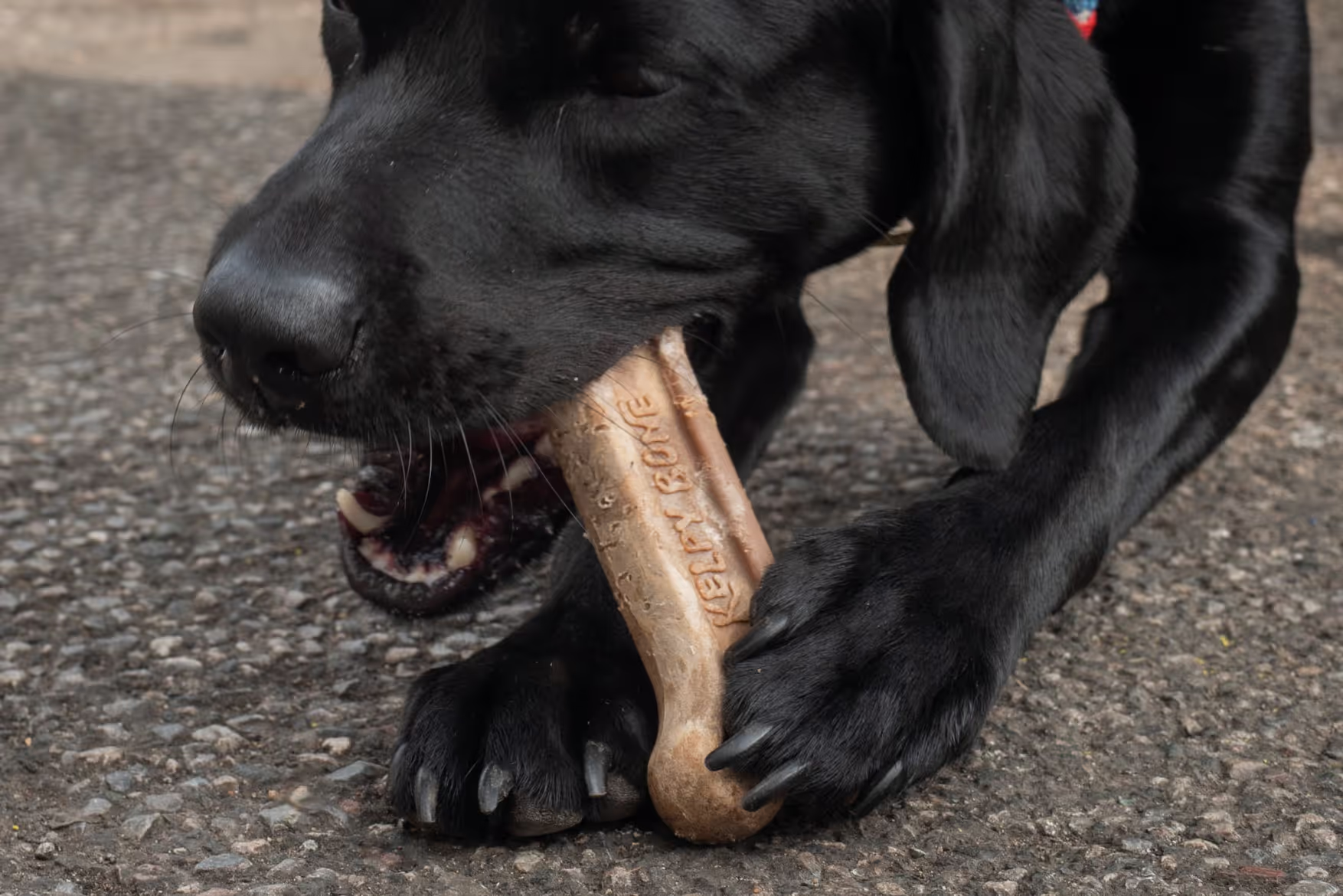
Made using Notpla Rigid, our injection-mouldable material crafted entirely from natural ingredients - the Kelpy Bone shows how nature can perform just as well as plastic, without leaving a trace behind.
This plastic-free, durable alternative sits outside single-use plastic directives, yet delivers all the strength and playtime endurance any dog could need.
After a successful debut in Australia, Kelpy Bone is now preparing to expand into new markets, proving that the future of pet play can be fun, functional, and regenerative.
A huge thank you to our partners at Plastek UK and the Kelpy Bone team for bringing this idea to life and for showing what’s possible when innovation meets nature.
.jpg) Bespoke packaging at Notpla: Meet the team behind our food packaging design process
Bespoke packaging at Notpla: Meet the team behind our food packaging design process.jpg) The end of plastic versus paper: Why natural materials belong in modern manufacturing
The end of plastic versus paper: Why natural materials belong in modern manufacturing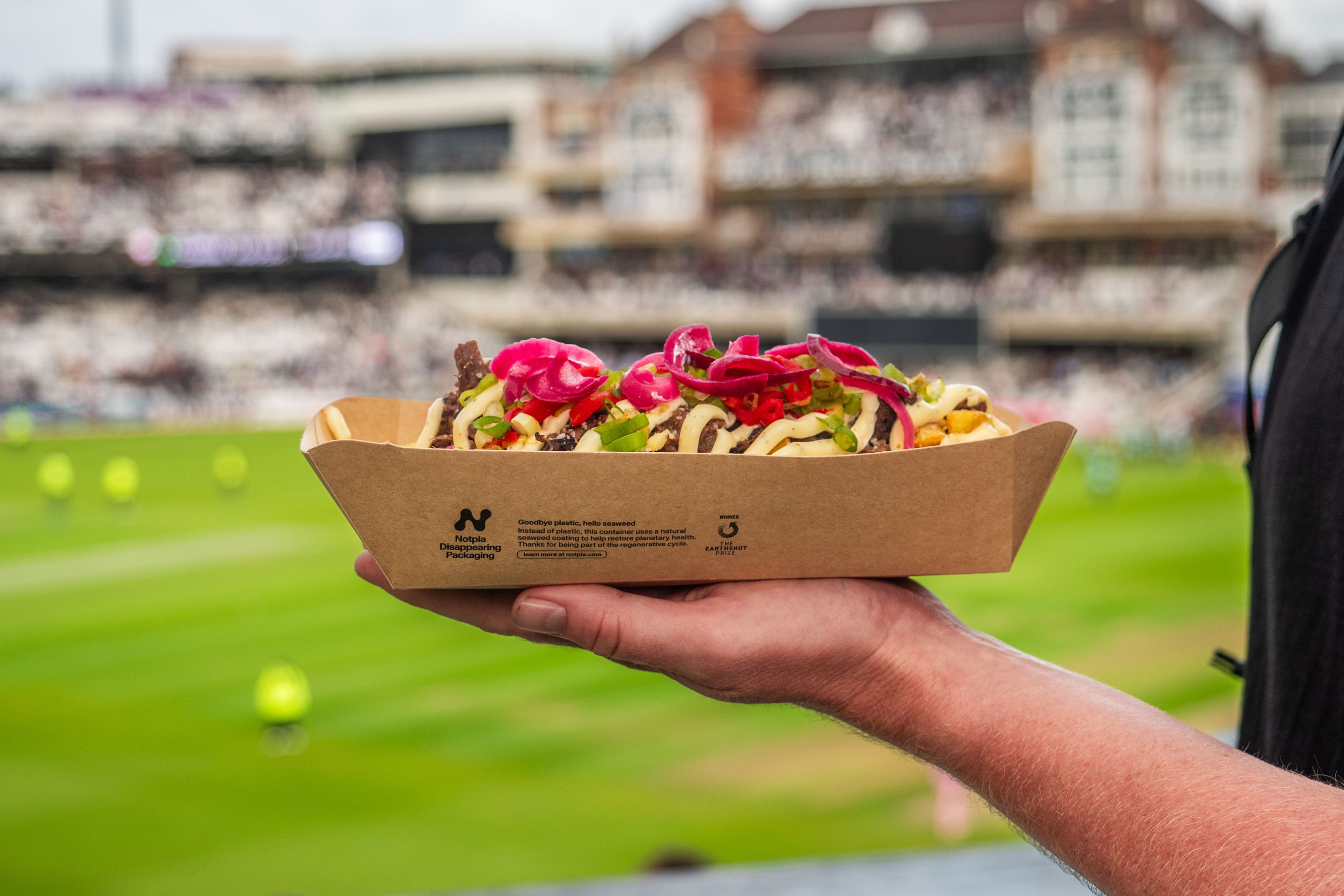 Notpla Stadium Range: building sustainable packaging into the big-game experience, at scale with Levy.